Non-Surgical Nose Filler vs Surgical Rhinoplasty in Korea
March 9, 2026

Non-Surgical Nose Filler vs Surgical Rhinoplasty in Korea

For visitors traveling to Seoul for nose enhancement, both surgical and non-surgical options are widely available. The nose plays a central role in facial balance, so even small changes can significantly affect overall appearance.

Two commonly discussed approaches are non-surgical nose filler and surgical rhinoplasty. While both aim to improve the shape and proportion of the nose, they differ greatly in technique, permanence, and recovery time.

What Is Non-Surgical Nose Filler?

Non-surgical nose filler, often called a “liquid nose job,” is an injectable treatment that uses hyaluronic acid-based dermal fillers to reshape certain areas of the nose. The filler is carefully placed to smooth small bumps, enhance the nasal bridge, or refine the tip contour.

Rather than reducing or removing tissue, the treatment works by adding volume to create the appearance of a straighter and more balanced nose profile.

Why Patients Choose Nose Filler

✔ Non-surgical nose enhancement
✔ Immediate visible results
✔ Short treatment time
✔ Minimal recovery period
✔ Temporary and adjustable results

Because the procedure does not involve surgery, many patients choose nose filler for subtle improvements or to preview potential changes before considering surgery.

What Is Surgical Rhinoplasty?

Surgical rhinoplasty is a procedure that permanently reshapes the nose by modifying bone, cartilage, and soft tissue structures. Surgeons can adjust the nasal bridge, refine the tip, narrow the nostrils, or correct structural issues affecting breathing.

This procedure allows more comprehensive changes to the nose compared with non-surgical methods.

Why Patients Choose Surgical Rhinoplasty

✔ Permanent structural nose reshaping
✔ Ability to reduce or refine nasal features
✔ Can correct functional breathing issues
✔ Allows significant shape modification
✔ Long-lasting results

Rhinoplasty is often selected by patients who want major changes in nose size, structure, or overall shape.

Key Differences Between Nose Filler and Surgical Rhinoplasty

The main difference between these treatments lies in whether the nose shape is improved through added volume or structural surgery.

  • Non-surgical nose filler improves the appearance of the nose by strategically adding volume with hyaluronic acid. This can help smooth dorsal humps, enhance the bridge, and create a more balanced profile without altering the underlying bone or cartilage.
  • Surgical rhinoplasty reshapes the nose by modifying the internal structures such as bone and cartilage. This allows surgeons to reduce size, change nasal angles, refine the tip, and make more dramatic and permanent changes.

In general, fillers are best for subtle contour improvements, while rhinoplasty allows comprehensive and permanent structural changes.

Downtime Comparison

Recovery time differs significantly between the two procedures.

  • With non-surgical nose filler, patients may experience:
  • Mild swelling for a few days
  • Small injection marks
  • Occasional minor bruising
  • Immediate return to normal activities in most cases
  • With surgical rhinoplasty, patients may experience:
  • Noticeable swelling and bruising
  • Nasal splint for several days
  • Gradual reduction of swelling over weeks
  • Longer recovery compared with non-surgical treatments

Because of the shorter recovery period, non-surgical nose fillers are often preferred by travelers with limited time.

Which Is Better for Nose Enhancement?

The best option depends on the patient’s aesthetic goals and the type of change desired.

Nose filler is typically suitable for minor contour adjustments such as smoothing bumps, improving symmetry, or enhancing the bridge.

Surgical rhinoplasty is usually recommended when patients want to reduce nose size, significantly refine the nasal tip, or correct structural issues.

In many Seoul clinics, patients sometimes begin with treatments such as:

  • Non-surgical nose filler
  • Facial contouring treatments
  • Chin filler for profile balance
  • Skin tightening procedures

These treatments can help improve overall facial harmony without surgery.

Ideal for Travelers Visiting Seoul

Both procedures attract international patients visiting Korea for cosmetic treatments, but their suitability for short trips differs.

Most patients considering nose filler experience:

  • Quick treatment sessions
  • Minimal visible recovery
  • Immediate results
  • Ability to resume activities quickly

Surgical rhinoplasty typically requires longer planning, consultation, and recovery time compared with injectable treatments.

Who Is a Good Candidate for Nose Filler?

  • Patients seeking subtle nose contour improvements
  • Individuals with small dorsal bumps
  • Those wanting bridge enhancement
  • Patients interested in temporary results
  • Individuals wanting non-surgical options

Who Is a Good Candidate for Surgical Rhinoplasty?

  • Patients seeking significant nose reshaping
  • Individuals wanting permanent results
  • Those with structural or breathing concerns
  • Patients with large dorsal humps or wide noses
  • Individuals comfortable with surgical recovery

Expected Results Timeline

  • Nose filler results are visible immediately after treatment
  • Mild swelling usually improves within several days
  • Rhinoplasty results become clearer as swelling gradually decreases
  • Final surgical results may take several months to fully stabilize

Final Takeaway

Non-surgical nose filler and surgical rhinoplasty are both widely performed nose enhancement options in Korea, offering different levels of change and recovery time.

Nose filler provides quick, temporary contour improvements through injectable volume, while surgical rhinoplasty permanently reshapes the underlying structures of the nose.

The most appropriate option depends on the degree of change desired, the patient’s tolerance for recovery time, and whether the goal is subtle contouring or comprehensive nose reshaping. ✨
By Eugene Lee March 10, 2026
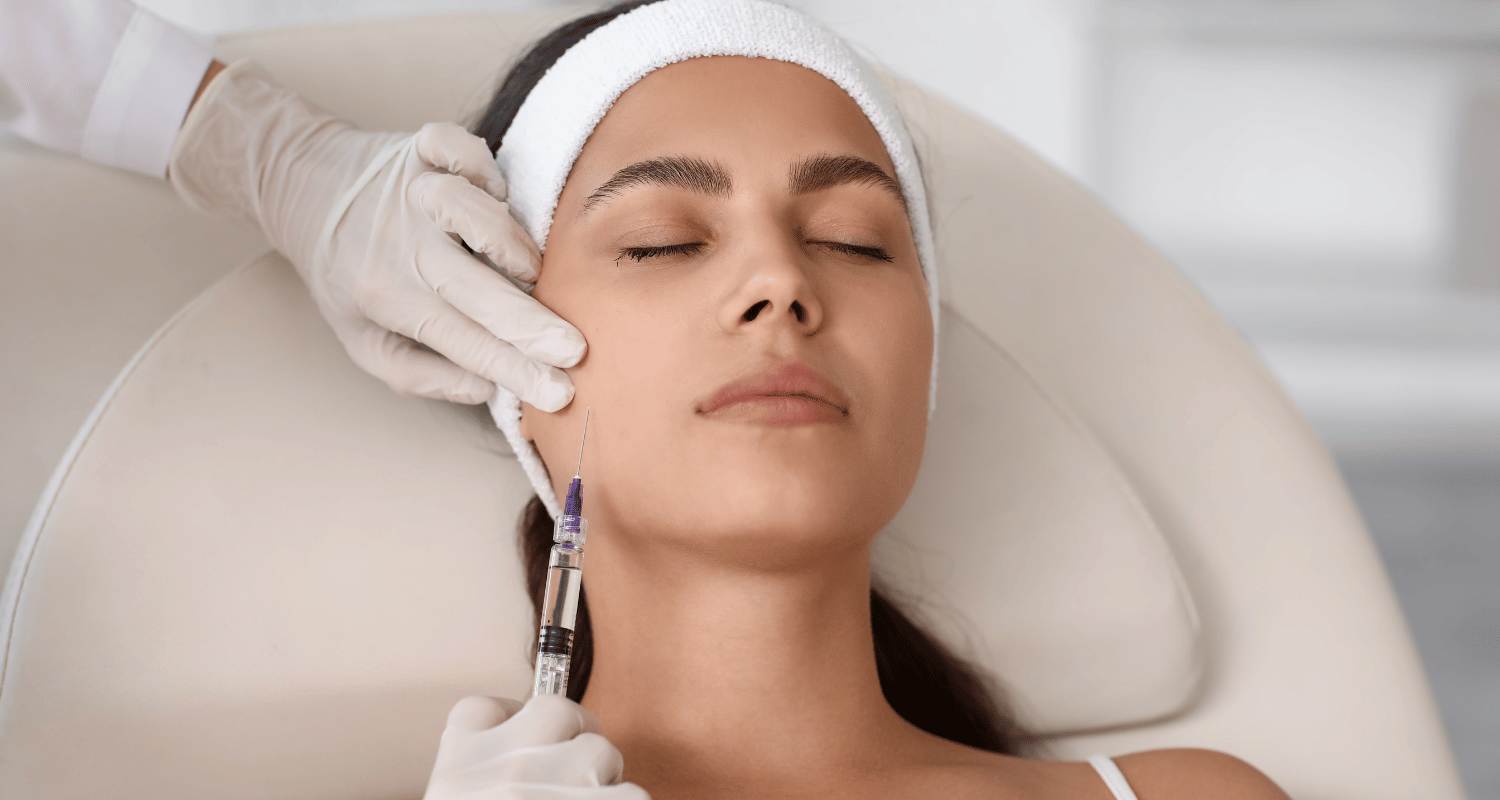
Rejuran vs PN Skin Booster in Korea For travelers visiting Seoul for skin rejuvenation treatments, injectable skin boosters are among the most requested procedures. Two commonly discussed options are Rejuran and PN skin boosters. Both treatments are based on polynucleotide (PN) ingredients derived from salmon DNA, which help stimulate skin regeneration and improve overall skin quality. However, Rejuran is a specific branded PN treatment, while PN skin boosters refer to a broader category of injections that use similar polynucleotide ingredients. Understanding how these treatments differ can help patients choose the most suitable option for their skin concerns. What Is Rejuran? Rejuran is a well-known injectable skin booster developed in Korea that uses highly purified polynucleotides (PN) extracted from salmon DNA. These PN molecules stimulate skin repair and collagen production, helping restore damaged or aging skin. When injected into the dermis, Rejuran helps improve skin thickness, elasticity, and overall skin health by encouraging the regeneration of skin cells and the extracellular matrix. Why Patients Choose Rejuran ✔ Stimulates deep skin regeneration ✔ Improves skin elasticity and thickness ✔ Helps repair damaged or aging skin ✔ Can improve acne scars and fine lines ✔ Results often last several months Rejuran is widely considered one of Korea’s signature regenerative skin boosters due to its focus on repairing the skin from within. What Is a PN Skin Booster? PN skin boosters are injectable treatments that also contain polynucleotide (PN) derived from salmon DNA. These products work similarly by promoting collagen production and supporting skin regeneration. Many newer PN boosters available in Korean clinics use similar PN ingredients to Rejuran but may differ in formulation, viscosity, concentration, or injection technique. They are commonly used to improve skin hydration, elasticity, and overall skin texture. Why Patients Choose PN Skin Boosters ✔ Improves skin hydration and elasticity ✔ Supports collagen production ✔ Helps enhance skin texture and glow ✔ Often less expensive than premium brands ✔ Can be customized for different skin areas Because multiple brands exist, PN boosters are often chosen as a flexible and cost-effective alternative to branded treatments. Key Differences Between Rejuran and PN Skin Booster The main difference between these treatments lies in branding, formulation consistency, and treatment positioning. Rejuran is a specific branded PN injection developed in Korea with standardized purification and formulation. It is widely used for skin repair and regeneration, particularly for acne scars, damaged skin, and long-term collagen remodeling. PN skin boosters refer to a broader category of injections that also contain polynucleotides. While they use similar core ingredients, different brands may vary in concentration, texture, or delivery technique, which can influence the treatment experience and results. In simple terms, Rejuran is a well-known PN treatment, while PN boosters represent the wider group of polynucleotide-based skin injections. Downtime Comparison Both treatments involve microinjections into the skin and may cause temporary visible bumps after the procedure. With Rejuran, patients may experience: Small raised injection bumps for 1–2 days Mild swelling or redness Slight tenderness at injection points Gradual skin improvement over several weeks With PN skin boosters, patients may experience: Mild redness or swelling Small injection marks Temporary skin sensitivity Quick return to normal activities Some patients report that thicker PN formulations can cause slightly more swelling or discomfort during treatment. Which Is Better for Skin Regeneration? The best option depends on the treatment goal and budget. Rejuran is often recommended for patients seeking deeper skin repair, especially for acne scars, damaged skin, or long-term collagen regeneration. PN skin boosters may be preferred by patients who want similar regenerative benefits but with more flexible treatment options or lower costs. In many Seoul clinics, doctors combine treatments such as: Rejuran or PN boosters laser skin rejuvenation microneedling hydration skin boosters This combination approach can improve both skin structure and surface quality. Ideal for Travelers Visiting Seoul Both Rejuran and PN skin boosters are popular choices among international patients visiting Korea for aesthetic treatments. Most patients experience: Short treatment sessions Minimal recovery time Gradual improvement in skin texture and elasticity Noticeable skin glow after several weeks Because treatments are quick and non-surgical, they are commonly included in skin rejuvenation plans for short medical tourism visits. Who Is a Good Candidate for Rejuran? Patients with acne scars or damaged skin Individuals seeking deep skin regeneration Those with thinning or aging skin Patients wanting longer-lasting collagen stimulation Individuals interested in intensive skin repair Who Is a Good Candidate for PN Skin Boosters? Patients seeking general skin rejuvenation Individuals with dry or dull skin Those wanting improved skin elasticity Patients looking for flexible treatment options Individuals interested in preventive anti-aging care Expected Results Timeline Mild skin glow may appear within 1–2 weeks Collagen stimulation develops gradually over several weeks Multiple sessions are often recommended Maintenance treatments may be performed periodically Final Takeaway Rejuran and PN skin boosters are both regenerative injectable treatments widely offered in Korea. Rejuran is a well-established branded PN treatment focused on deep skin repair and collagen regeneration, while PN skin boosters represent a broader category of polynucleotide-based injections that provide similar skin rejuvenation benefits. The most suitable option depends on the desired level of skin regeneration, treatment goals, and individual skin condition. Many patients visiting Seoul choose personalized treatment plans that combine PN-based injections with other skin rejuvenation procedures for optimal results. ✨
By Eugene Lee March 10, 2026
Collagen Injection vs PRP for Skin Rejuvenation in Korea For travelers visiting Seoul for anti-aging treatments, injectable skin rejuvenation procedures are among the most popular options. Two commonly offered regenerative treatments are collagen injections and PRP (platelet-rich plasma) therapy. Both treatments aim to improve skin elasticity, texture, and overall radiance without surgery. However, their mechanisms are quite different. Collagen injections focus on stimulating structural collagen rebuilding, while PRP therapy uses the body’s natural growth factors to promote skin regeneration. What Is a Collagen Injection? Collagen injections—often referred to as collagen stimulator injections—are treatments designed to stimulate the body’s natural collagen production. Products used in these treatments may include biostimulating materials such as PLLA, PDLLA, or CaHA, which gradually trigger collagen remodeling in the skin. Instead of providing temporary hydration alone, these injections work deeper in the dermis to strengthen skin structure, improve elasticity, and reduce fine lines over time. Why Patients Choose Collagen Injections ✔ Stimulates long-term collagen production ✔ Improves skin firmness and elasticity ✔ Gradually softens wrinkles and skin laxity ✔ Results can last several months to over a year ✔ Often used for structural skin rejuvenation Because collagen stimulation occurs gradually, results typically appear progressively over several weeks as new collagen forms. What Is PRP for Skin Rejuvenation? PRP (platelet-rich plasma) therapy uses the patient’s own blood to promote skin repair and regeneration. A small amount of blood is drawn, processed in a centrifuge to concentrate platelets, and then injected back into the skin. These platelets contain growth factors that stimulate collagen production, improve circulation, and promote tissue healing, helping the skin appear smoother, brighter, and more elastic over time. Why Patients Choose PRP ✔ Uses the patient’s own natural growth factors ✔ Improves overall skin tone and texture ✔ Helps reduce fine lines and dullness ✔ Supports skin healing and regeneration ✔ Minimal risk of allergic reaction Because PRP is derived from the patient’s own blood, it is often chosen by individuals seeking a more natural or regenerative treatment approach. Key Differences Between Collagen Injection and PRP The main difference lies in how the treatments stimulate skin rejuvenation. Collagen injections introduce biostimulating materials that trigger fibroblasts to produce new collagen, helping rebuild skin structure and firmness over time. This approach focuses on deeper structural rejuvenation and long-term elasticity improvement. PRP therapy uses concentrated platelets from the patient’s own blood to release growth factors that promote tissue repair, circulation, and collagen production. The goal is to improve skin quality through natural regeneration rather than structural support. In general, collagen injections emphasize structural collagen rebuilding, while PRP focuses on regenerative healing and skin vitality. Downtime Comparison Both treatments are minimally invasive and typically involve limited downtime. With collagen injections, patients may experience: Mild swelling for 1–2 days Temporary redness at injection sites Occasional small bruises Gradual improvement over several weeks With PRP therapy, patients may experience: Mild redness for 24–48 hours Small injection marks or pinpoint bleeding Temporary swelling or warmth Quick return to daily activities Most patients can resume normal routines shortly after either procedure. Which Is Better for Skin Rejuvenation? The best option depends on the patient’s skin concerns and treatment goals. Collagen injections may be more suitable for individuals with early skin laxity or structural aging changes that require stronger collagen rebuilding. PRP therapy is often preferred for patients seeking natural skin regeneration, improved skin texture, or subtle rejuvenation without synthetic materials. In many Seoul clinics, doctors combine treatments such as: Collagen stimulator injections PRP therapy Laser skin rejuvenation Skin boosters or microneedling This combined approach can enhance both structural support and skin quality. Ideal for Travelers Visiting Seoul Both collagen injections and PRP treatments are commonly chosen by international patients visiting Korea for aesthetic procedures. Most patients experience: Short treatment sessions Minimal downtime No surgical wounds Gradual improvement in skin texture and firmness Because of the low recovery time, these treatments are often suitable for short medical tourism visits. Who Is a Good Candidate for Collagen Injections? Patients with early skin laxity Individuals with thinning or aging skin Those seeking longer-lasting collagen stimulation Patients wanting gradual structural improvement Individuals with mild to moderate wrinkles Who Is a Good Candidate for PRP? Patients preferring natural regenerative treatments Individuals with dull or tired-looking skin Those with fine lines or mild texture issues Patients with sensitive skin Individuals wanting subtle overall skin rejuvenation Expected Results Timeline Mild skin glow may appear within 1–2 weeks Collagen remodeling develops gradually over several weeks Most treatments are performed in a series of sessions Maintenance treatments may help prolong results Final Takeaway Collagen injections and PRP therapy are both widely used in Korea for non-surgical skin rejuvenation. Collagen injections focus on rebuilding structural collagen for improved firmness and elasticity, while PRP therapy uses the body’s own growth factors to stimulate natural skin regeneration. The most appropriate treatment depends on whether the goal is stronger structural support or natural regenerative improvement. In many cases, a personalized combination of treatments can provide balanced skin rejuvenation while maintaining a natural appearance. ✨